
Summer is one of the most popular times of year for vacations, weekend getaways, outdoor events, and extended travel. Unfortunately, it is also a period when unattended homes and vehicles—as well as tourists who may be unfamiliar with their surroundings—can become attractive targets for burglary, theft, fraud, vandalism, and other crimes.
Criminals often look for visible signs of vulnerability. Accumulated mail, newspapers left in the driveway, dark windows, overflowing garbage bins, and social media posts announcing a vacation can all indicate that a residence is unoccupied. Tourists may also be targeted in crowded attractions, transportation hubs, restaurants, hotels, and entertainment districts, particularly when they appear distracted, display valuables, carry unsecured bags, or are unfamiliar with local conditions.
Before leaving for a summer trip, homeowners and travelers should take practical precautions to protect their property, personal belongings, and overall safety.
Security Precautions When Attending Large Outdoor Events
Summer brings concerts, festivals, sporting events, parades, fireworks displays, and other large outdoor gatherings. While these events are generally safe, crowded environments can create additional security concerns, including theft, separated family members, medical emergencies, severe weather, and difficulties exiting quickly.
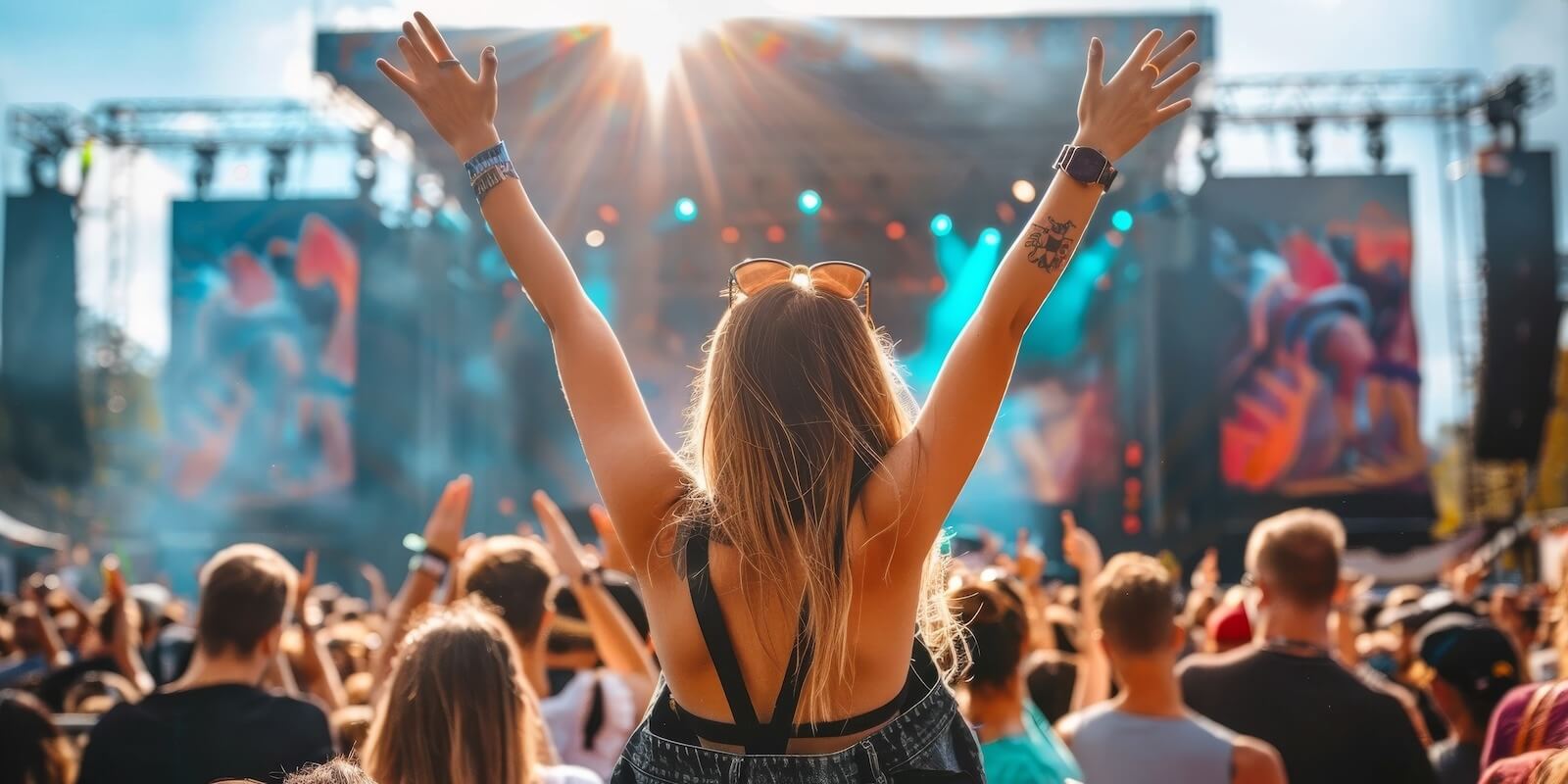
Before attending, review the event’s prohibited-items policy, transportation plan, entrance locations, weather forecast, and emergency procedures. Carry only essential items and avoid bringing unnecessary valuables.
Upon arrival, identify at least two exits rather than relying only on the entrance you used. Take note of security personnel, first-aid stations, emergency shelters, and a suitable meeting location in case members of your group become separated.
Keep wallets, phones, bags, and other valuables secured and close to your body. Avoid placing belongings on the ground, hanging bags on the backs of chairs, or leaving personal items unattended. Be cautious when using public Wi-Fi networks or charging stations, which may expose personal information or electronic devices to security risks.
Parents and caregivers should make sure children know their full name, the name of the adult accompanying them, and a telephone number to call. Consider placing contact information inside a child’s pocket or on a wristband. Take a current photograph of children before entering the event so their clothing can be accurately described if they become separated.
Remain aware of your surroundings and avoid becoming so distracted by phones, alcohol, or entertainment that you fail to notice developing conditions. Report unattended bags, threatening behavior, arguments, damaged barriers, blocked exits, or other suspicious activity to event security or law enforcement.
If a disturbance or emergency occurs, move away from the source of danger, follow instructions from authorities, and avoid stopping to record the incident. Do not push against crowds or move against the flow unless directed to do so. Once in a safe location, contact members of your group and wait for official information before returning.
Attendees should also prepare for environmental hazards by staying hydrated, wearing appropriate clothing, using sun protection, monitoring children and older adults for heat-related symptoms, and seeking shelter promptly when severe weather approaches.
Personal Security Tips When Traveling Abroad
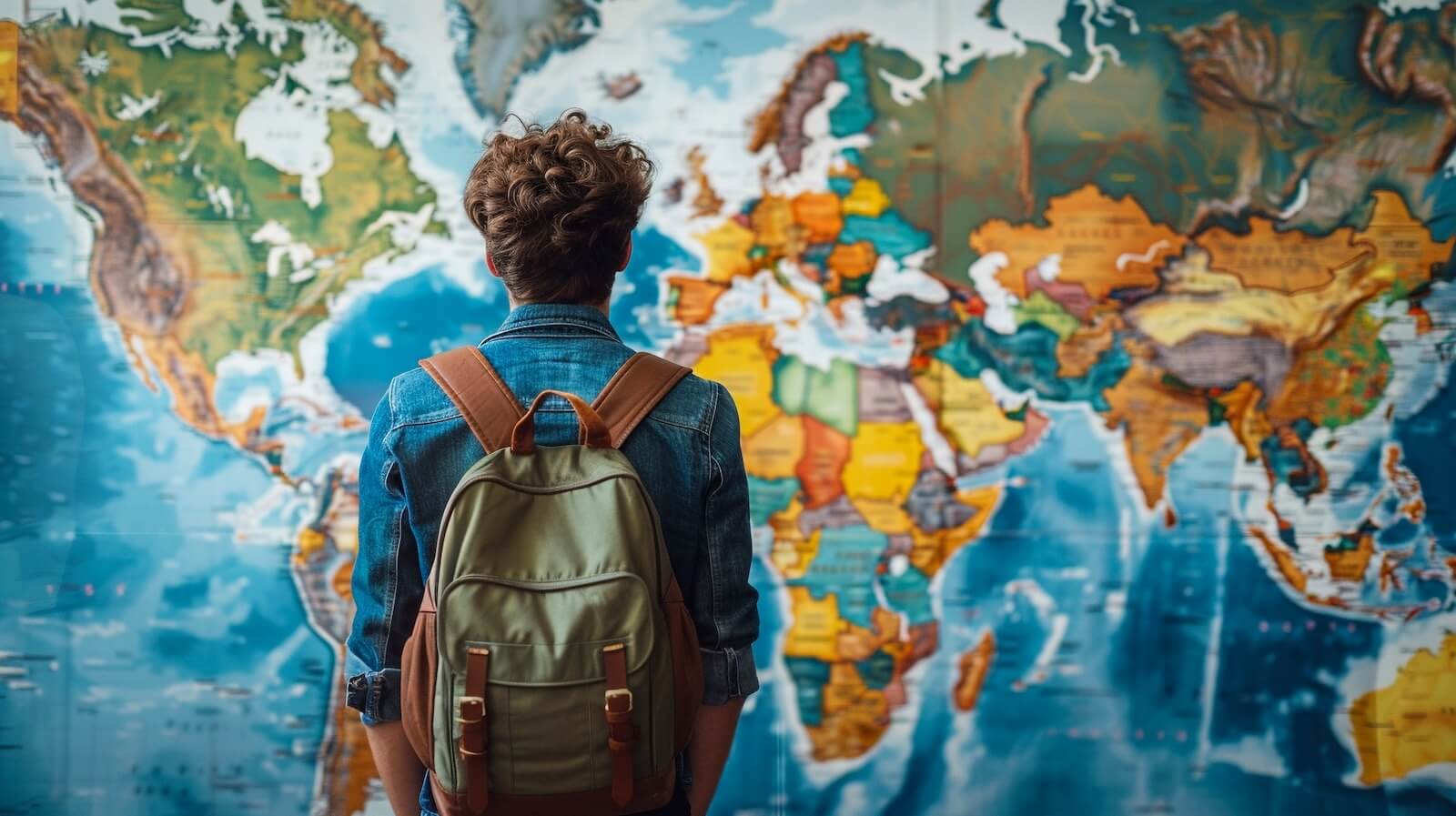
International travel can create additional security challenges because visitors may be unfamiliar with local laws, customs, transportation systems, emergency procedures, and areas where crime is more common.
Before departure, research the destination, including local safety conditions, common scams, emergency telephone numbers, transportation options, and any neighborhoods that should be avoided. Make copies of your passport, identification, travel documents, and insurance information, and store them separately from the originals. Secure digital copies in a password-protected location that can be accessed if documents are lost or stolen.
Travelers should avoid carrying large amounts of cash or displaying expensive jewelry, watches, cameras, or electronic devices. Keep passports, money, and credit cards in a secure location, and use hotel safes when appropriate. Carry only the identification and payment cards needed for the day.
Remain alert in airports, train stations, public transportation systems, tourist attractions, restaurants, and crowded entertainment districts. Pickpockets and distraction thieves frequently operate in areas where visitors are focused on luggage, maps, phones, or unfamiliar surroundings. Bags should remain closed, secured, and positioned in front of the body whenever possible.
Use licensed taxis, established car services, or transportation arranged through a reputable hotel or travel provider. Avoid accepting unsolicited rides, sharing travel details with strangers, or entering unmarked vehicles. Before entering a vehicle, confirm the driver, license plate, and destination.
Be cautious when using public Wi-Fi networks, shared computers, and public charging stations. Avoid accessing sensitive financial or business accounts over unsecured networks, and keep phones, tablets, and laptops protected with strong passwords and multifactor authentication.
Travelers should also maintain regular contact with a trusted family member, friend, or colleague. Provide that person with a copy of the itinerary, hotel information, flight details, and emergency contacts. Establish a reasonable check-in schedule, particularly when traveling alone or visiting remote areas.
Keep important medication in its original labeled container and carry an adequate supply in hand luggage. Become familiar with the location of nearby hospitals, police stations, and the nearest U.S. embassy or consulate.
Most importantly, trust your instincts. If a person, location, or situation feels unsafe, leave immediately and move to a well-lit, populated area. Contact local authorities, hotel security, or the appropriate embassy or consulate when assistance is needed.
Protecting Your Home

One of the most important home-security practices is maintaining the appearance that someone is still at the residence.
Ask a trusted neighbor, friend, or family member to periodically check the property. They can bring in mail and packages, move garbage and recycling containers, adjust window coverings, and report anything unusual.
For longer trips, arrange for lawn care, landscaping, pool maintenance, or other routine services to continue. An overgrown lawn or unattended property can quickly signal that the occupants are away.
Suspend Mail and Newspaper Deliveries
Unretrieved mail, newspapers, packages, and advertising materials are among the most obvious signs that a home is vacant.
Homeowners should place a temporary hold on postal deliveries or arrange for someone to collect them each day. Newspaper deliveries and other recurring services should also be paused.
Be Careful When Posting on Social Media
Posting vacation photos, airport check-ins, hotel locations, or travel updates in real time can unintentionally tell others that a home is unattended.
Use Lighting to Create the Appearance of Occupancy
A home that remains completely dark every evening can attract unwanted attention.
Interior lights should be connected to programmable or smart timers and set to turn on and off at different times. Avoid leaving the same light continuously illuminated throughout the trip, as this can also suggest that no one is home.
Exterior lighting should cover entrances, walkways, driveways, garages, and other vulnerable areas. Motion-activated lighting can help discourage individuals from approaching the property after dark.
Protect Vehicles and Valuables
Vehicles left at home should be locked, with windows closed and valuables removed from view. Keys, garage remotes, registration documents, and electronic devices should not be left inside.
Jewelry, cash, firearms, personal records, and other valuables should be secured in an appropriate safe or removed from the residence. Documents containing financial or identifying information should not be left in easily accessible areas.
Homeowners may also wish to photograph valuables and maintain an updated inventory for insurance purposes.
Limit Access to Your Home
Only trusted individuals should know that the home will be vacant. Avoid sharing detailed travel plans with service providers, casual acquaintances, or individuals who do not need the information.
Ask Trusted Neighbors to Remain Alert
A trusted neighbor can be one of the most effective layers of residential security.
Provide contact information, travel dates, and details about anyone who is authorized to visit the property. Ask the neighbor to report unfamiliar vehicles, unexpected visitors, open doors, broken windows, alarm activity, or other suspicious conditions.
Residents should not confront suspicious individuals. They should observe from a safe location and contact law enforcement when appropriate.
Preparation Is the Best Deterrent
Whether securing your residence, traveling abroad, or attending a large outdoor event, potential vulnerabilities can be reduced through careful planning, situational awareness, and a layered approach to personal protection.
Taking a few preventive steps can help protect your home, your loved ones, and your property—providing greater peace of mind throughout the summer travel season.
For additional home-security and travel-safety guidance, contact Integrated Security Services at 888-808-9119 or info@intesecurity.com.
