
Sexual assault cases continue to dominate headlines, often involving high-profile individuals and institutions. At the time of this writing, multiple public figures have resigned following allegations, while long-running investigations—such as those connected to Jeffrey Epstein—remain in the public eye. While high-profile cases often bring increased public attention to these crimes, sexual assault is not limited by gender, socioeconomic status, profession, age, or social class. These incidents impact individuals and families from all walks of life, often with profound emotional, psychological, and legal consequences.
This piece is not intended to advance any political viewpoint or agenda, but rather to highlight the important role private investigators can play in supporting victims and their families, as well as individuals who assert they have been falsely accused. Regardless of the current political or social climate, professional investigators are tasked with objectively pursuing facts, preserving evidence, and assisting those seeking clarity, accountability, and due process.
According to the United States Sentencing Commission (www.ussc.gov), sexual abuse offenses have increased by 62.5% since 2020. The data further indicates that 93.5% of individuals sentenced for such offenses were men, and 94.8% were United States citizens. Many cases occur outside major metropolitan areas, and a significant number of offenders have a history involving child exploitation materials. Notably, 99.2% of individuals convicted of sexual abuse offenses received prison sentences.
The Role of Private Investigators
Private investigators can play a critical role in sexual assault cases by providing discreet, trauma-informed support that may complement law enforcement efforts. They are often retained by victims, families, or legal counsel to help preserve evidence, conduct interviews, identify potential witnesses, and uncover patterns of behavior that may not be immediately apparent.
At the same time, it is important to recognize that private investigators are not mental health experts, psychologists, or medical professionals. Those disciplines also play a critical role during the investigation and recovery process surrounding allegations of sexual assault. Medical professionals, counselors, victim advocates, and trauma specialists provide essential care, emotional support, forensic evaluation, and treatment services that extend beyond the scope of investigative work.
The role of the private investigator is to objectively gather facts, document findings, preserve evidence, and assist clients and counsel in pursuing clarity and accountability while remaining mindful of the sensitive and deeply personal nature of these investigations.
Operating without jurisdictional limitations, private investigators can pursue leads across state lines and dedicate focused attention to a single case—something that is often challenging for law enforcement agencies managing multiple investigations simultaneously.
Key Services Provided
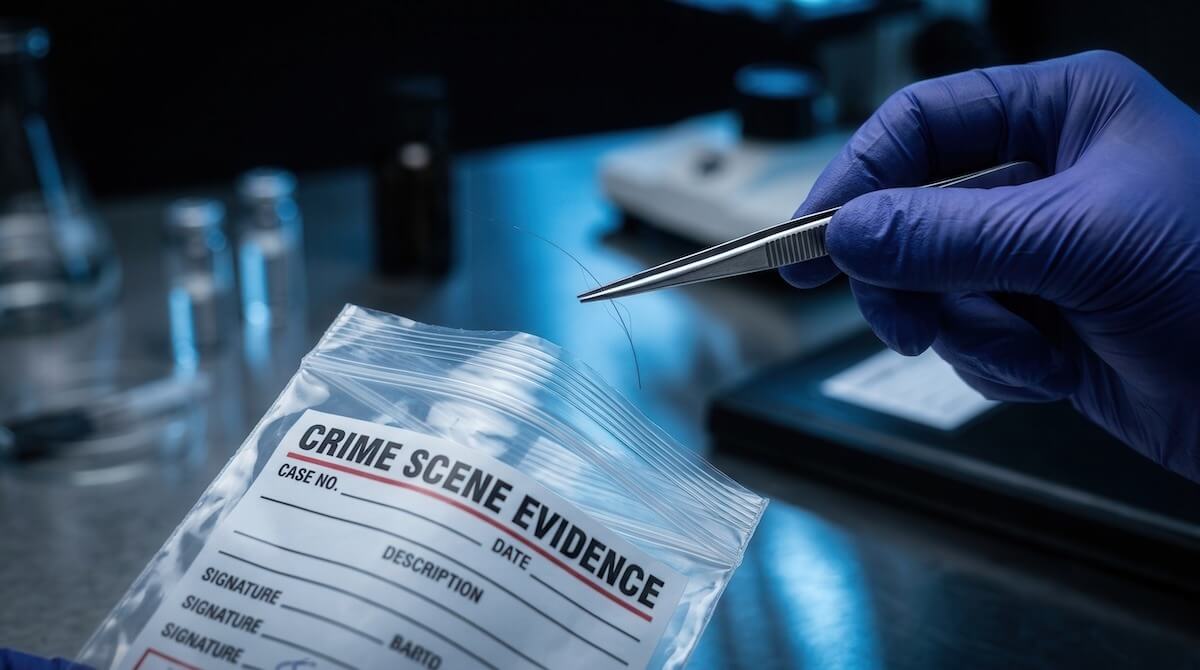
Evidence Gathering and Surveillance
Private investigators conduct surveillance, perform background checks, and collect forensic evidence, including digital records and witness statements, to help establish timelines and credibility.
Witness and Subject Interviews
Investigators often take a more measured and less formal approach than law enforcement, which can help build rapport with witnesses, victims, and even the accused. This approach can lead to the discovery of information that might otherwise remain undisclosed.
Dedicated Resources
Privately retained investigators typically have greater flexibility in time and resources, allowing them to pursue leads thoroughly, revisit cold cases, and identify patterns of behavior over extended periods.
Support for Legal Teams
Investigators prepare detailed reports and compile evidence to assist attorneys in both civil and criminal proceedings, strengthening case strategy and presentation.
How Private Investigators Differ from Law Enforcement
Confidentiality and Pace
Private investigators can offer a higher level of discretion and move at a pace tailored to the needs of the client.
Focused Attention
Unlike law enforcement personnel who may be assigned multiple cases, private investigators can concentrate exclusively on a single matter.
Flexibility
Private investigators are not bound by jurisdictional constraints and can travel as needed to gather information and evidence.
Client Comfort and Trust
Some individuals may feel more comfortable working with a private investigator, particularly in sensitive matters where trust, confidentiality and communication are critical.
Conclusion
Engaging a qualified private investigator can be an important step in seeking truth and accountability. Whether supporting victims or assisting individuals facing allegations, independent investigations can help ensure that facts are thoroughly documented and evaluated.
The investigative team at Integrated Security Services brings decades of law enforcement and investigative experience, including work on sensitive matters involving institutional cases. We work closely with legal counsel and, when appropriate, alongside law enforcement to support comprehensive and objective investigations.
For more information, please visit www.intesecurity.com or call 833-885-6587.
